Beginner's Guide to Writing Haiku in English
A haiku looks like the easiest poem in the world. Three short lines, a season, done in ten minutes. Then you try it and the lines come out either padded or bare, and you start to wonder what the form is actually for. The good news is that everything worth knowing about haiku can be learned in an afternoon — and that the thing most beginners are taught first, the 5-7-5 count, is the least useful part.
What follows covers the three elements that make an English haiku work: a true season, a clean cut, and images sharp enough to stand on their own. British seasons included.
Japanese haiku are built from seventeen on, sound units that are generally shorter than an English syllable — often just a vowel, or a consonant and a vowel. When the form arrived in English, those seventeen units were mapped onto seventeen syllables, and a myth was born.
In English, a single syllable can carry consonant clusters, stress and length. So a strict 5-7-5 rendering of a Japanese poem tends to need padding: the little flowers, in the early morning, very quietly. These words fill the count and add nothing.
Some English-language haiku do happen to land near 5-7-5. The point is that the count should serve the poem, not the other way round. Most contemporary writers aim at something closer to short–long–short, with the middle line slightly longer than the others.
Write the poem first. Read it aloud. If it fits in one breath, it is probably the right length. If you find yourself hunting for an extra syllable to reach seven, you have already overshot. Compare these two:
in the early morning the little birds are singing in the garden tree
It scans neatly and says almost nothing. Now:
before the kettle the blackbird works the lawn up to the fence
One moment, caught. The second version is not cleverer; it is more specific, and it stops the line before the thought is over-explained.
Traditional Japanese haiku require a kigo, a seasonal reference drawn from a long-established seasonal dictionary. A frog places a poem in spring; the moon on its own belongs to autumn. Readers recognise these instantly, the way a British reader recognises conkers as October.
English has no such dictionary, which is freeing. Your season word can be weather, a plant, a bird, a ritual, food or light. What it must be is true to the moment you actually saw.
A caution: some words have migrated. Robins belong to winter on Christmas cards and in Japanese seasonal dictionaries, but they sing for much of the year in Britain. If the poem is about a robin in June, let it be June.
The season need not be a flower. “The clocks went back” is a season word. So is “jumper weather”, or the first evening the heating goes on. Unseasonal detail is fair game too — daffodils in January carry their own quiet alarm.
The second engine of haiku is kire, the cut. A haiku usually holds two observations set side by side, with a gap between them. The reader steps across the gap and makes the connection, and that is where the feeling comes from — not from the poet explaining it.
In Japanese the cut is often marked by a kireji, a cutting word such as ya or kana. There is no direct English equivalent, so writers here use punctuation instead: a dash, a colon, a full stop, or simply the break between lines.
snowdrops in the churchyard — my father’s gloves still in the shed
Two images, one small gap, and nothing telling you how to feel. The old frog poem attributed to Bashō works the same way: a pond, a frog, the sound of water. No comment.
One practical warning: be wary of simile. “The moon like a coin” does the reader’s work for them. “The moon” and then “a coin on the windowsill” leaves the reader to notice the likeness. Precision, not comparison.
Three words to strike from a first draft: beautiful, sad, happy. They tell the reader what to feel, which is exactly what haiku avoids. If the moment is sad, the bare branch, the empty chair, the second cup still on the table will do the work. If it is beautiful, the light on the water is enough.
This is harder than it sounds, because we are trained to explain. A haiku asks you to stop explaining one line earlier than feels comfortable. Write the statement down if you need to, then delete it and keep the image that prompted it.
Verbs deserve the same care. “The wind moves the leaves” is accurate but flat. “The wind turns the leaves” or “the wind shakes the leaves” gives the reader a specific motion. Strong verbs are not dramatic; they are precise.
Haiku in English are usually unrhymed, and end rhyme tends to feel forced because the form is so short. That does not mean sound is unimportant. Read each line aloud and listen for clashing consonants, accidental jingles, or a rhythm that stumbles. A haiku should be easy to say in one breath, with a slight pause at the cut.
Line breaks are part of the music. Where you break a line changes where the reader pauses and what they notice first. Sometimes a break can create a small surprise:
the gate swings open in the wind — no one coming
The dash holds the turn. Without it, the same words become a flat report. Punctuation in haiku is not decoration; it is timing.
Haiku rewards quantity before quality. Keep a small notebook or a note on your phone and record moments as they happen: a smell, a sound, the way light falls at a particular hour. Most will never become poems, but the habit trains you to notice what is actually in front of you.
Once a day, write five haiku in ten minutes. Do not edit while writing. Later, choose one and revise it. Try these exercises:
Finally, read widely. R. H. Blyth, Bashō, Issa, and contemporary journals such as Modern Haiku or Blithe Spirit will teach you more than any rule. The form is small, but it is not simple. It asks for attention, a clean cut, and the courage to leave the last line alone.
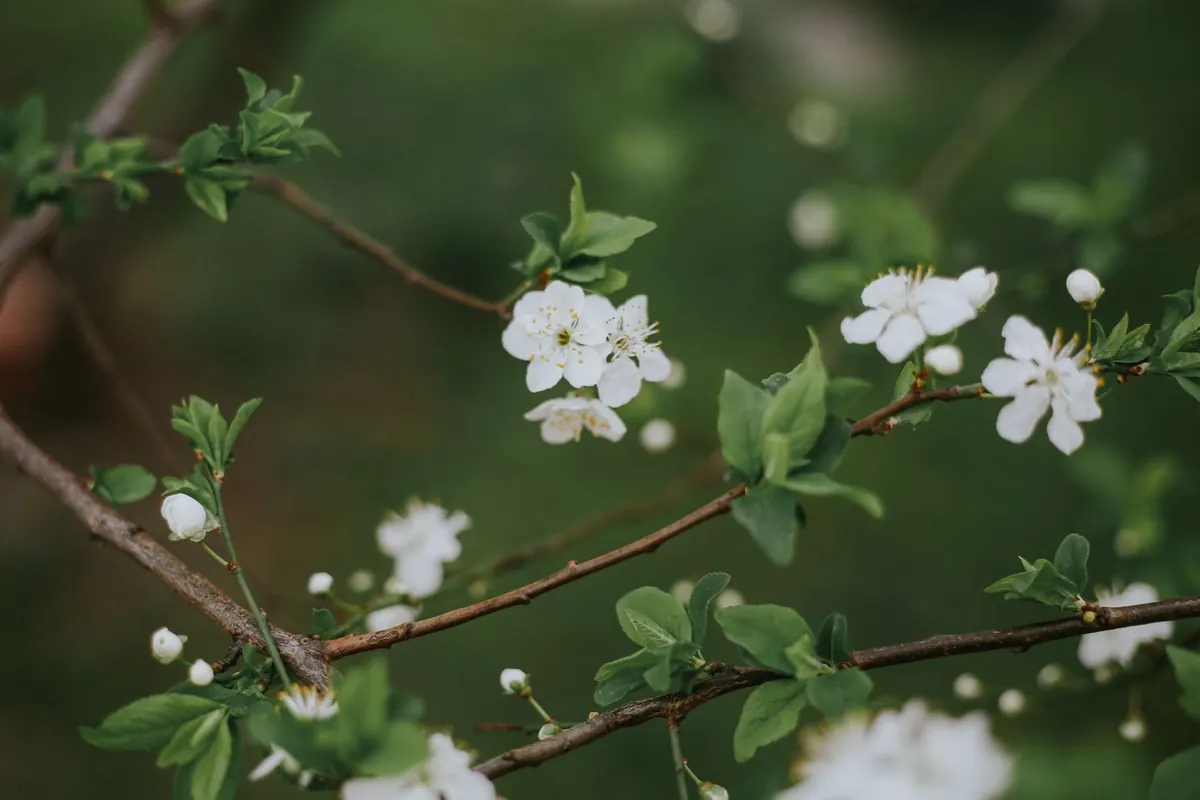
Photo: betül nur akyürek / Pexels
Previous Post
How to Edit a Poem: A Seven-Step Checklist
Next Post
Traditional vs. Self-Publishing in the UK: A Comparison for Debut Authors